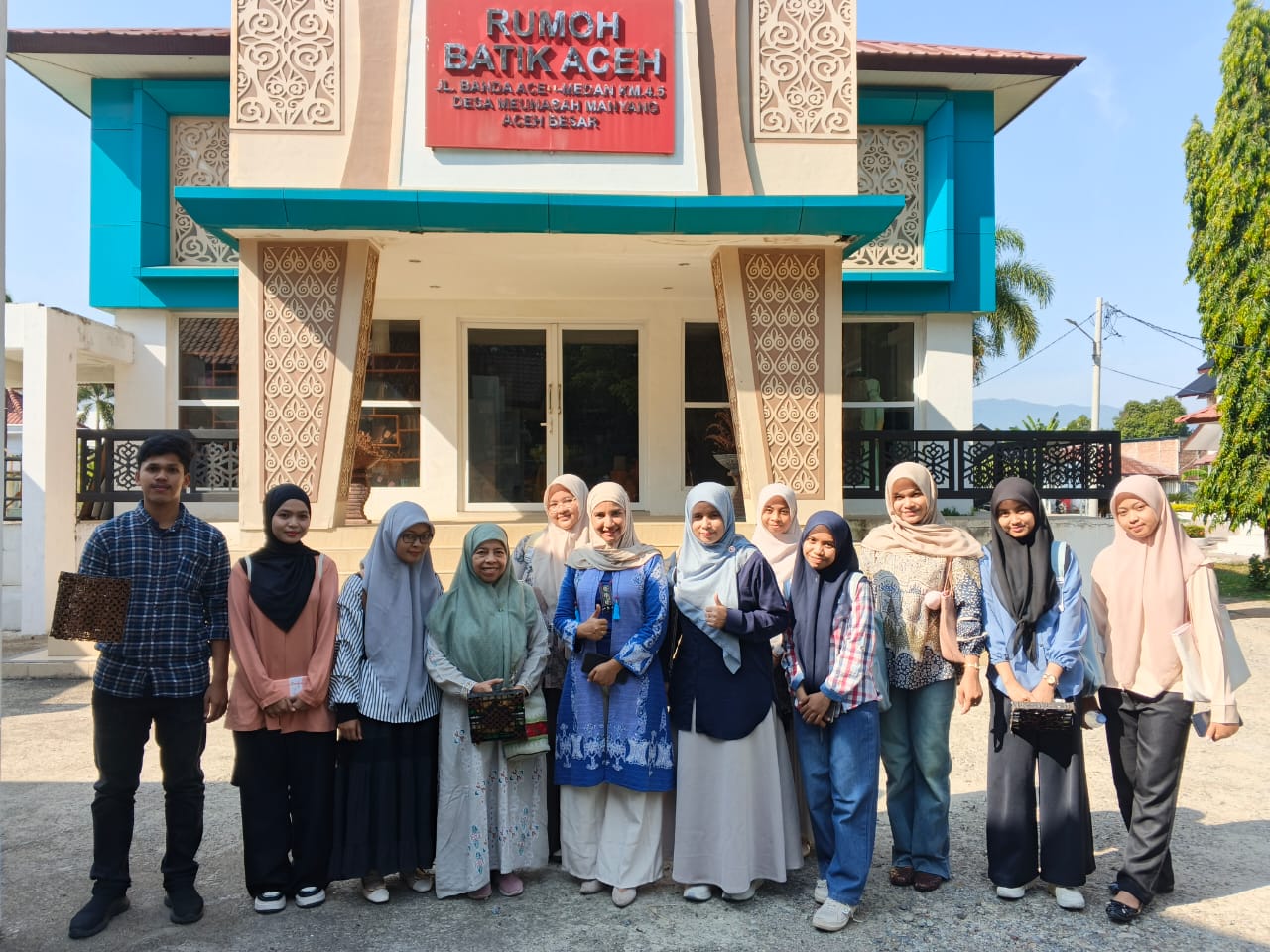
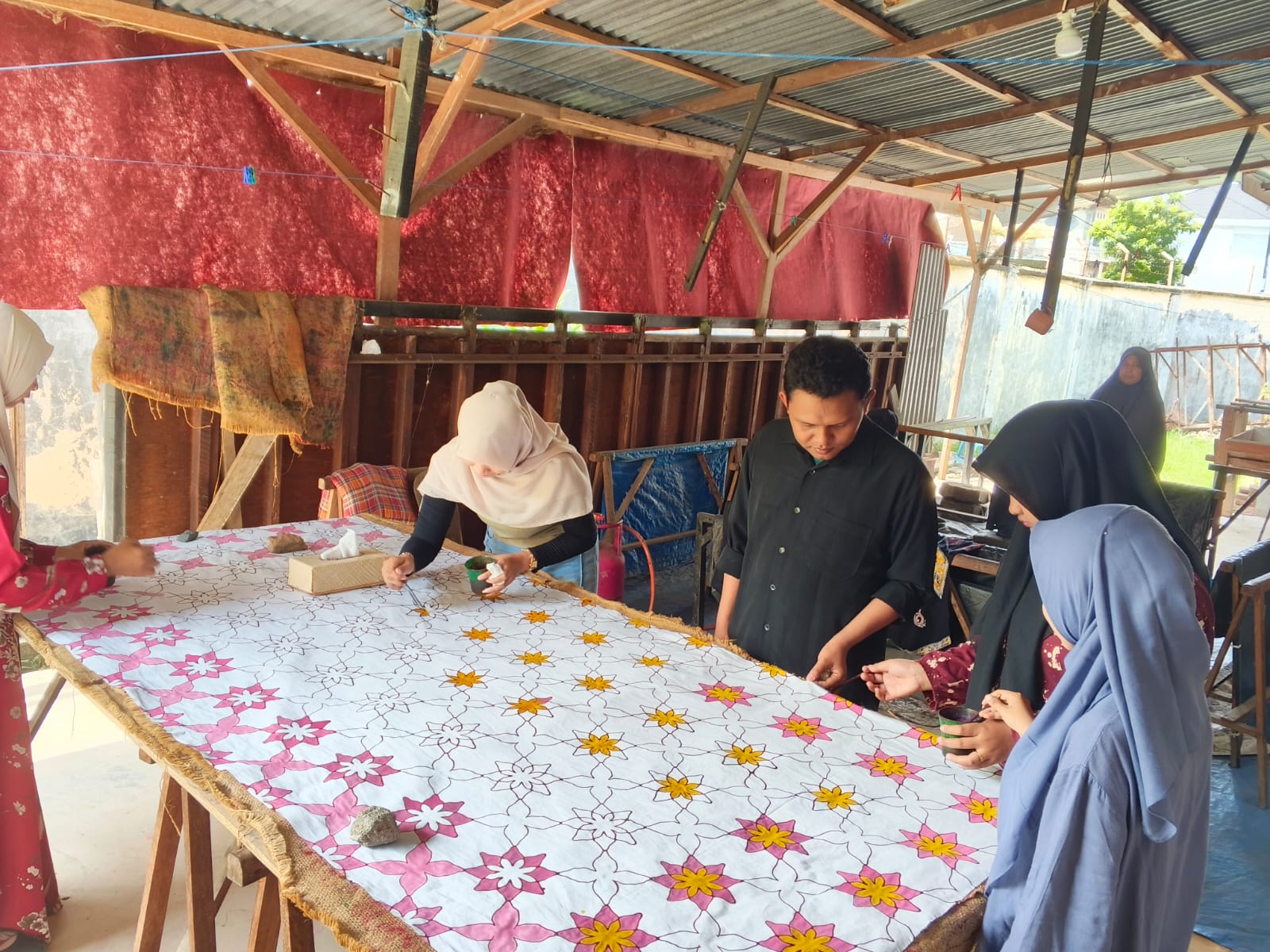
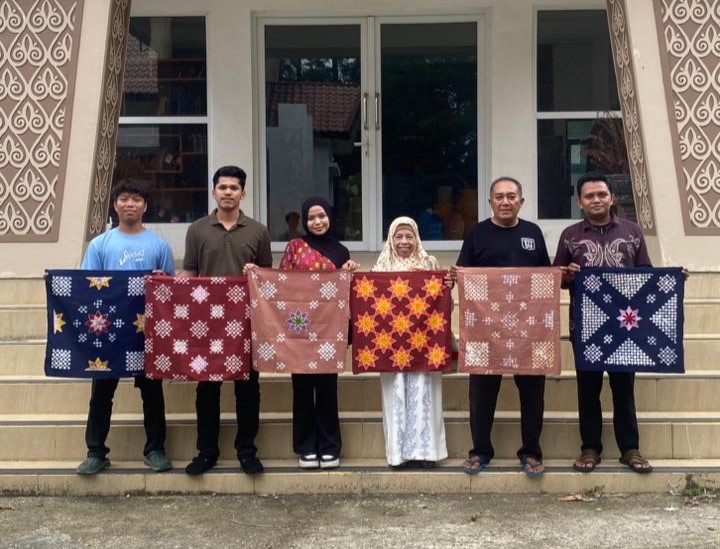
Students of the Department of Mathematics, Faculty of Mathematics and Natural Sciences, Universitas Syiah Kuala, participated in a Batik-Making Training held from Thursday, April 23 to Sunday, April 26, 2026. The activity took place at Rumoh Batik Aceh, located on Jl. Medan–Banda Aceh Km 45, Meunasah Manyang Village, Banda Aceh, as part of efforts to develop students’ creative skills beyond the academic field.
The training featured a local batik practitioner, Mr. Aulia, who directly guided participants throughout the batik-making process. The activity was led by Muhammad Muhajir as the training class leader, with Dr. Salmawaty, M.Sc. and Syarifah Meurah Yuni, S.Si., M.Si. serving as the persons in charge.
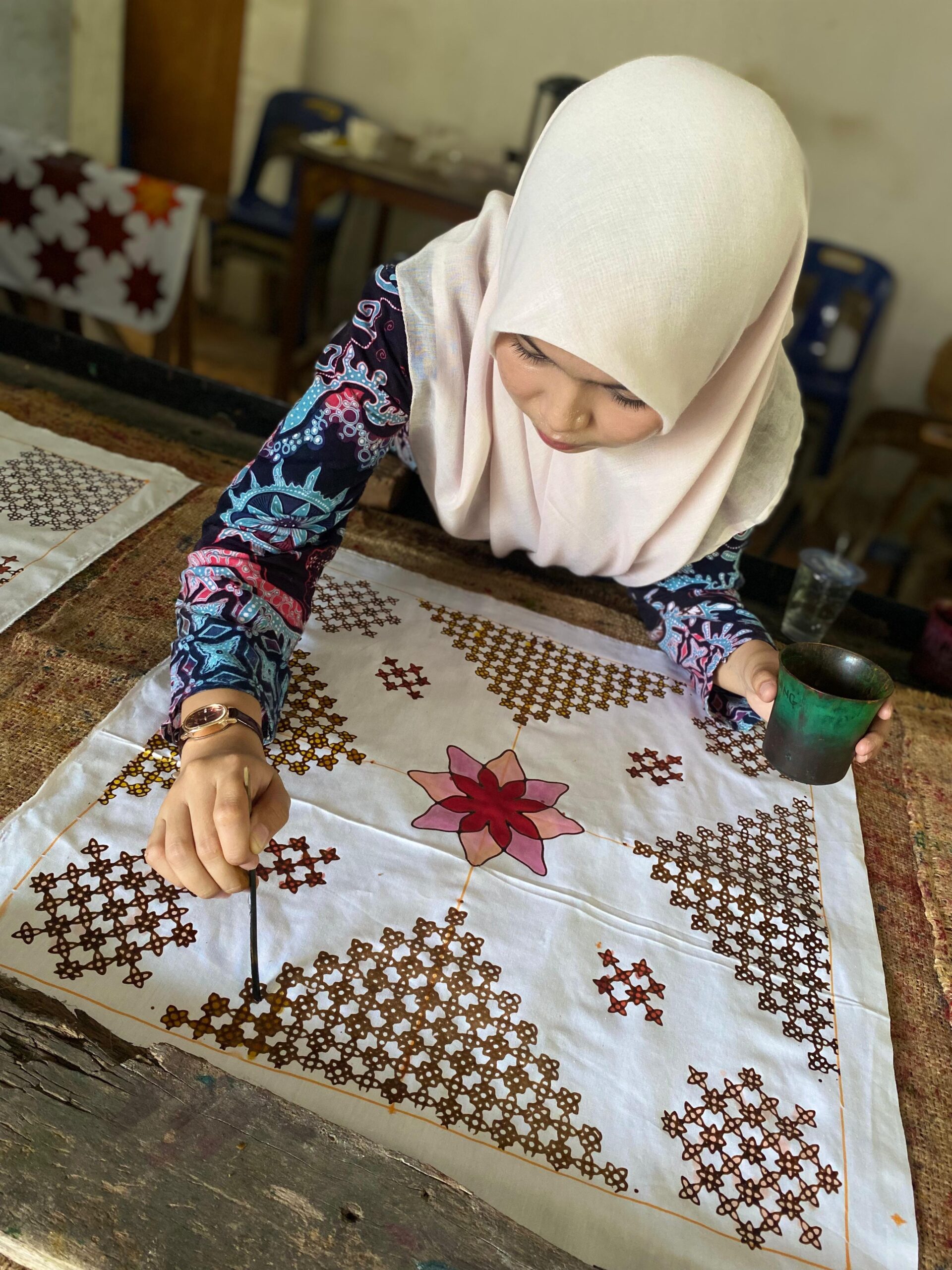
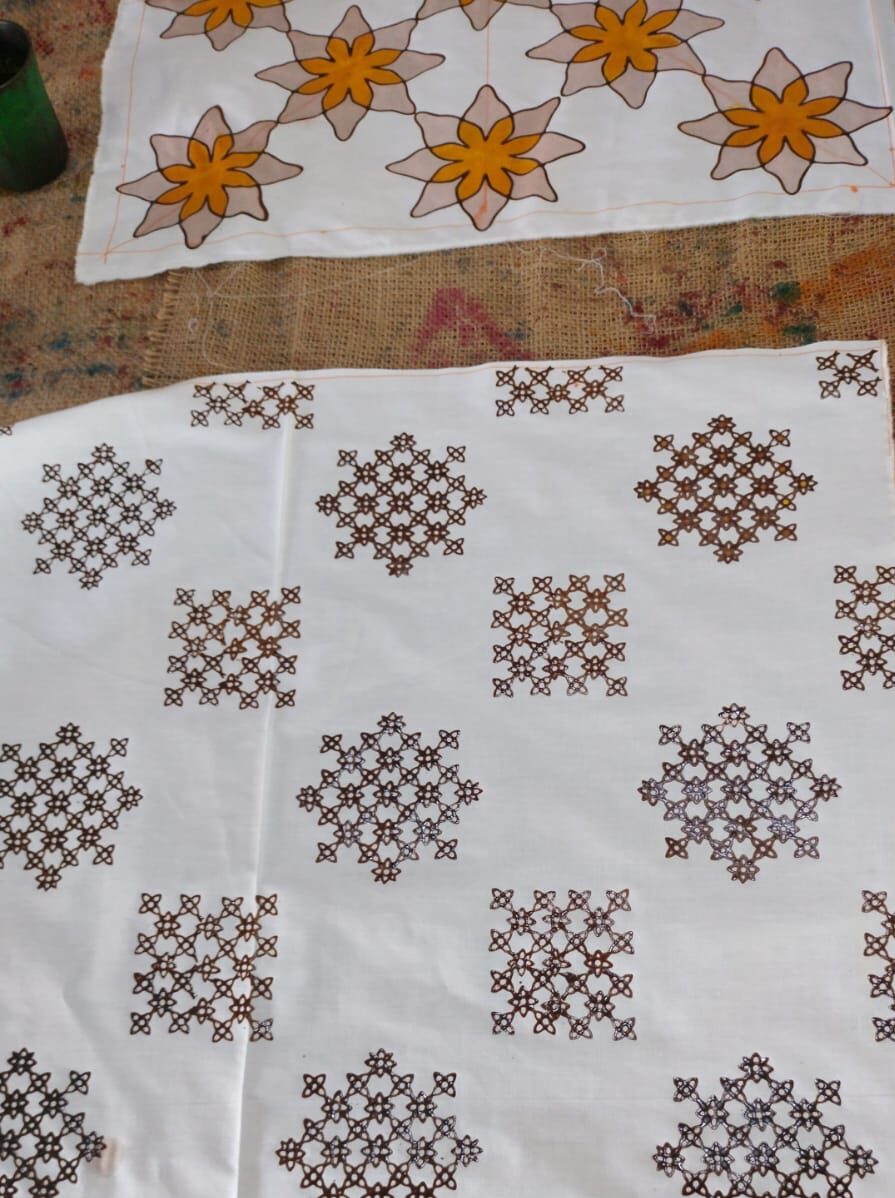
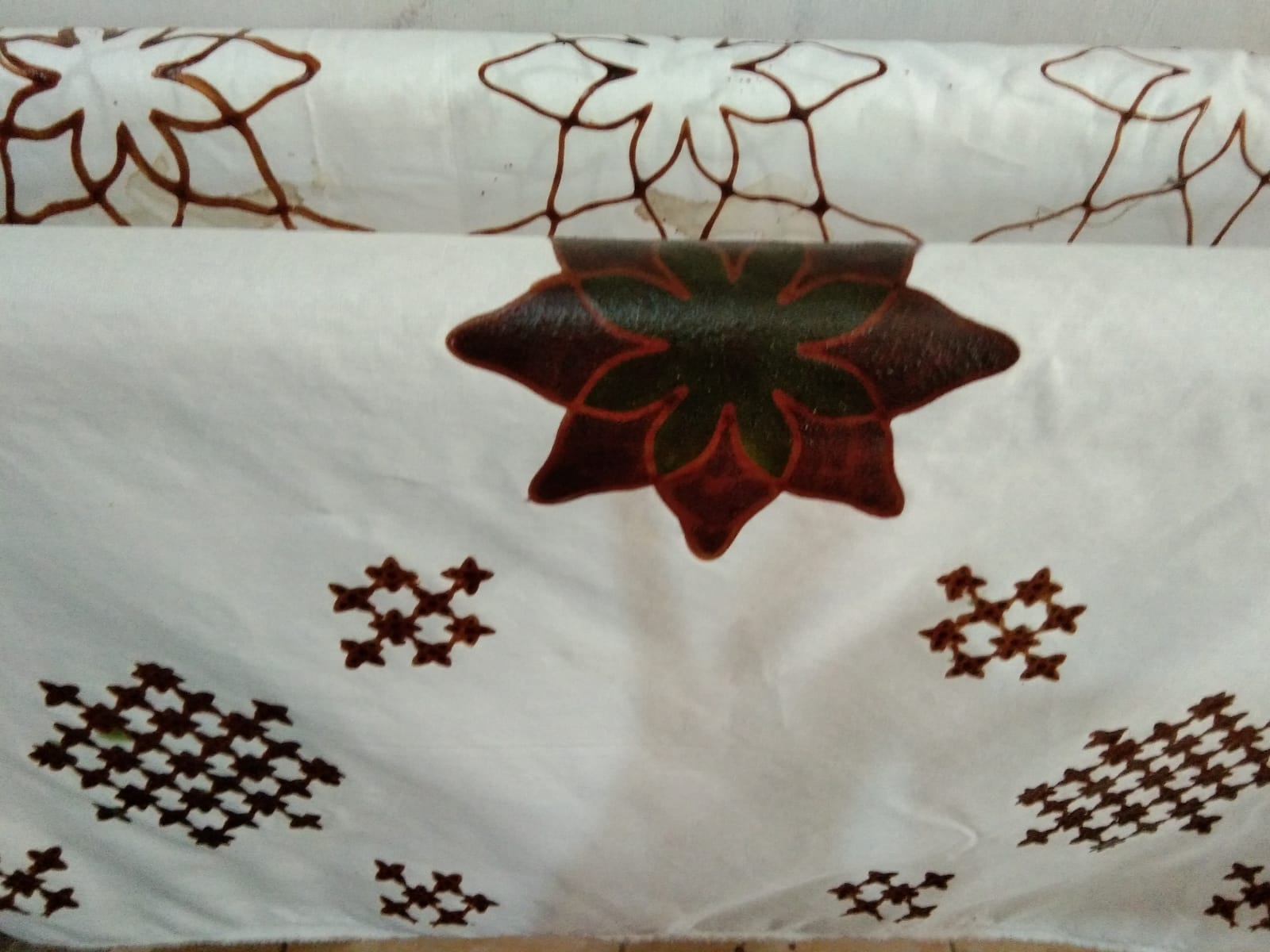
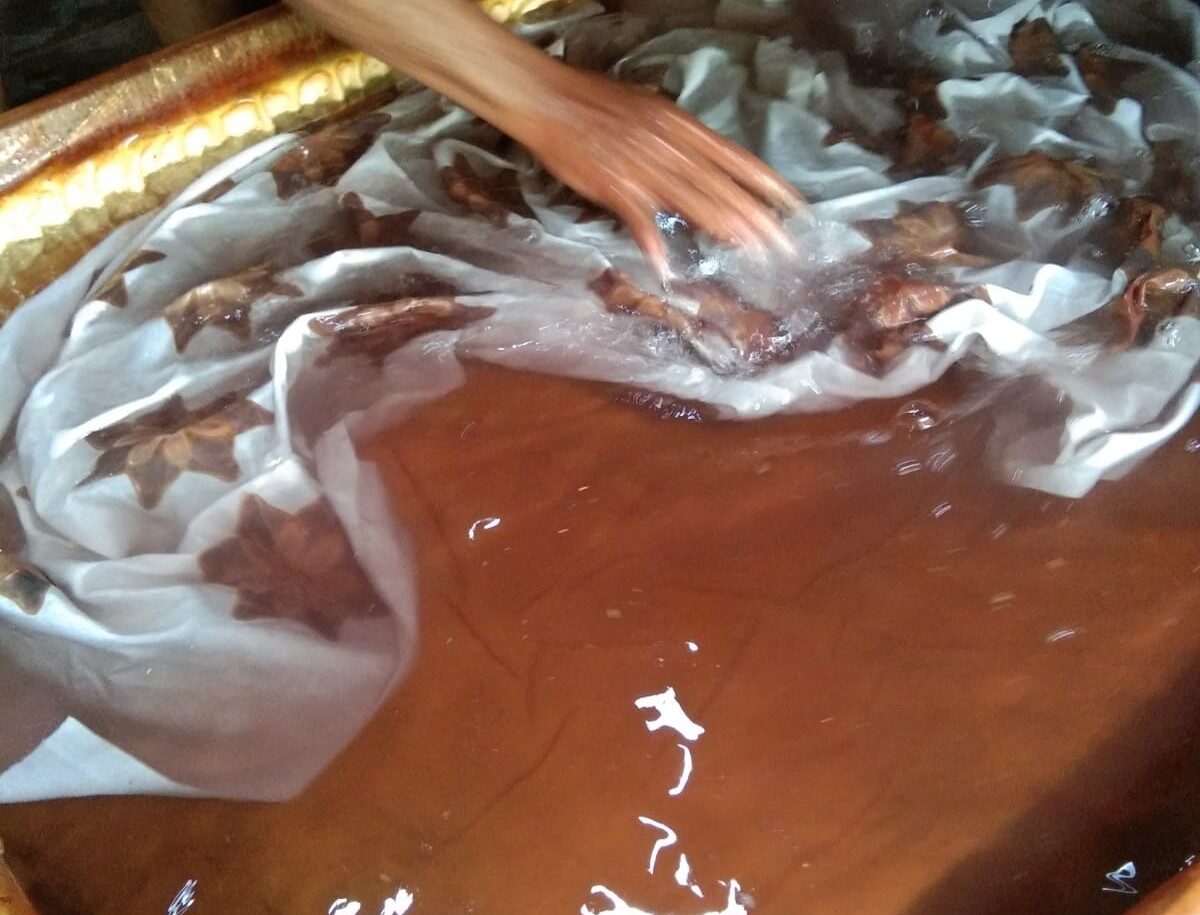
The activity began with an introduction to batik-making tools, where participants were introduced to various equipment used in the process, ranging from batik stamps to coloring materials. Subsequently, students took part in hands-on training in stamped batik production using available motifs.
’ perspectives, showing that mathematics is not limited to theory and calculations but can also be connected to art, patterns, and design in everyday life.With the implementation of this activity, it is hoped that students of the Department of Mathematics, FMIPA USK, will gain additional useful skills and develop a deeper appreciation for Indonesia’s cultural heritage, particularly batik. This activity is also expected to inspire future innovations that integrate mathematics with art and culture.
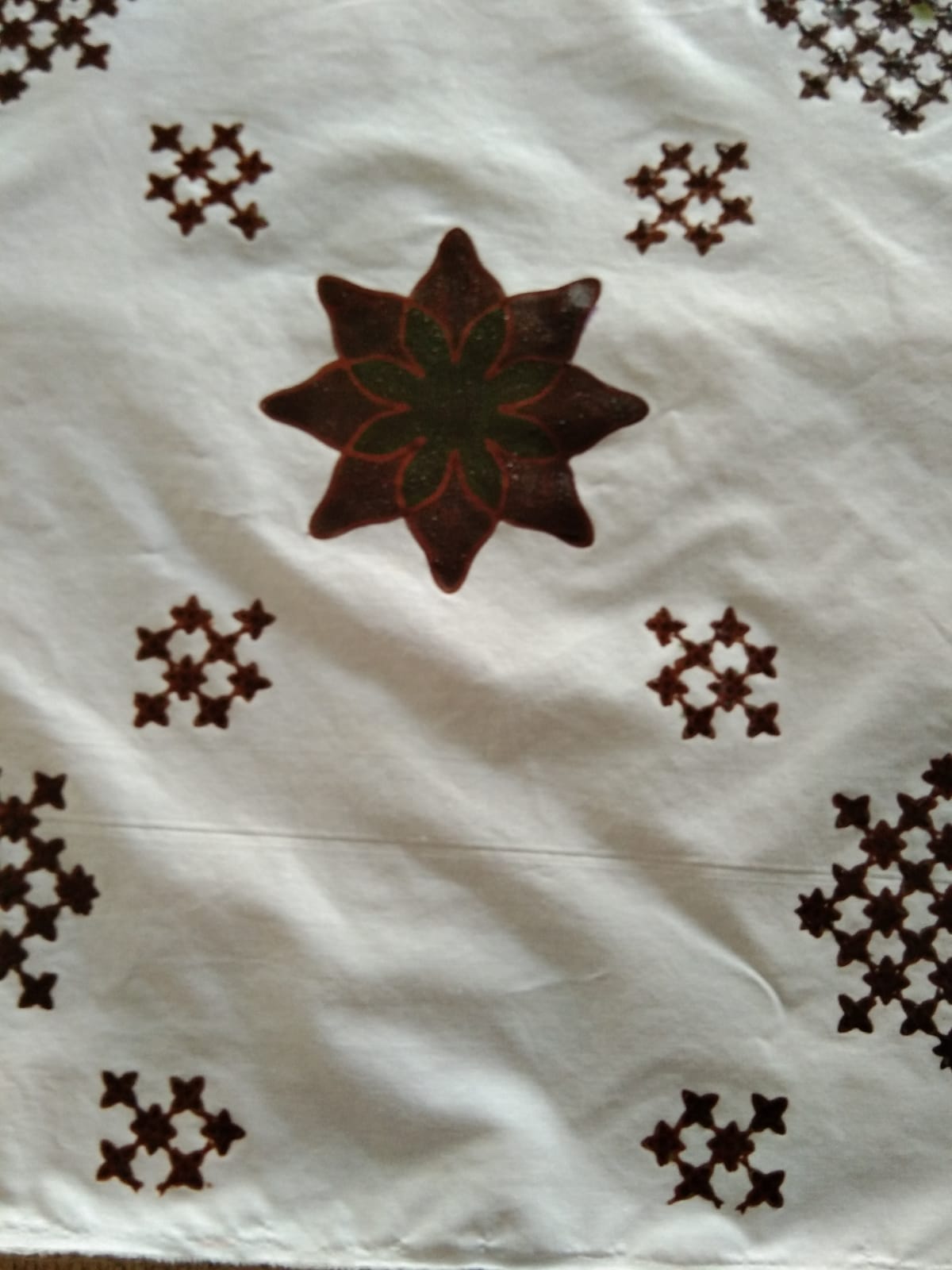
Through direct practice, participants gained valuable experience in understanding the batik production process, from the initial stages to producing ready-to-use batik works.
This training aimed to provide students with basic skills in stamped batik production while fostering appreciation for local cultural heritage. It also served as a platform for students to develop creativity and structured thinking skills aligned with mathematical reasoning.
In addition, the activity was expected to broaden students
For a deeper exploration of how traditional ornaments are connected to mathematical sciences, such as Polar Coordinates and Fractals, please refer to the following lecture material: