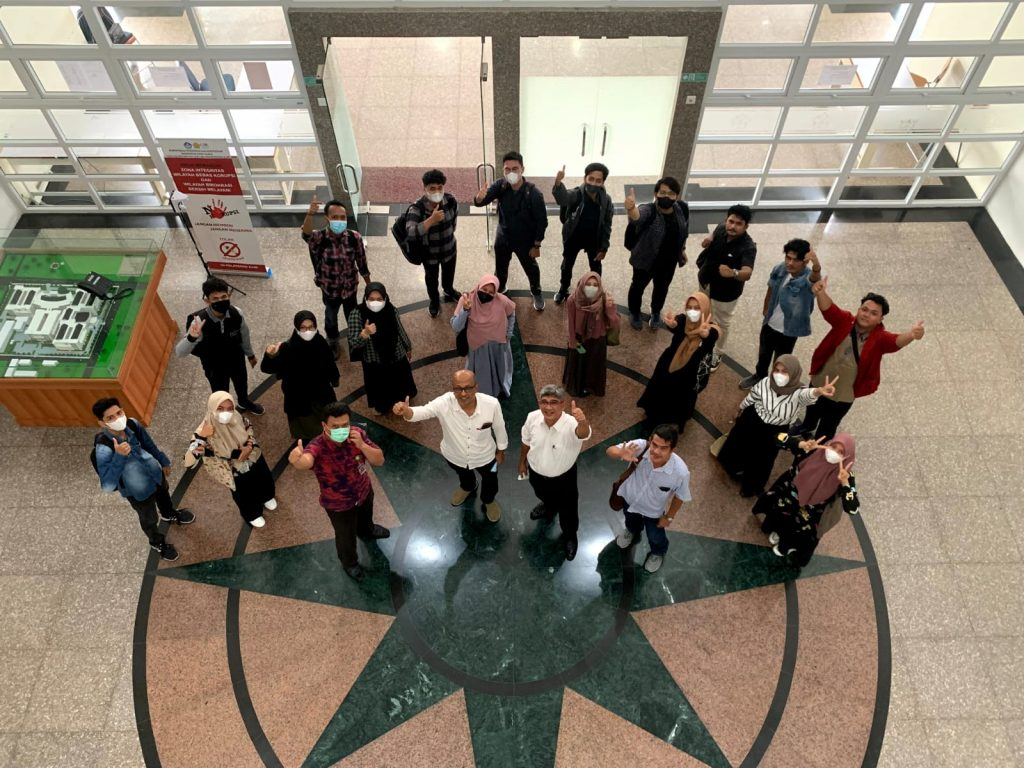
My name is Yalqa Fauzan Sebayang, a student of the Department of Mathematics, Faculty of Mathematics and Natural Sciences (FMIPA), Universitas Syiah Kuala, class of 2019. I had the privilege of serving as the student team leader for the MBKM SIGAP “Building Villages” Program in South Aceh Regency, specifically assigned to Subarang Village, Samadua District. I have recently completed my six-month assignment under this program.
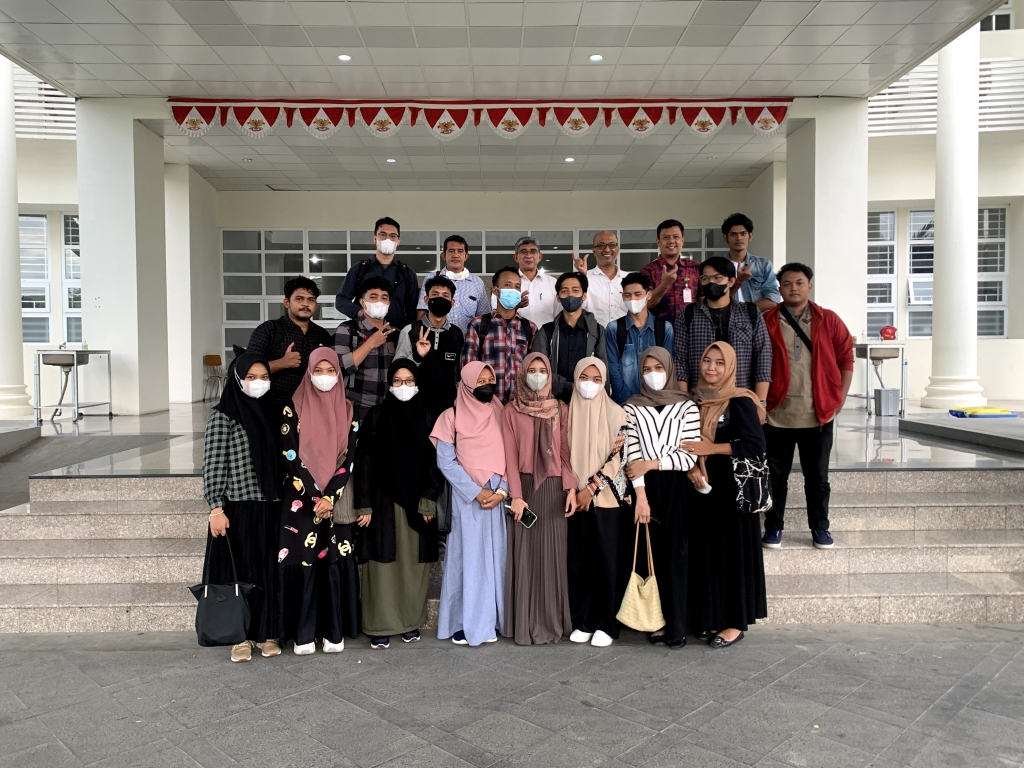
Let me share my experience participating in this MBKM program. So, what is MBKM SIGAP?
Merdeka Belajar–Kampus Merdeka (MBKM), or “Freedom to Learn–Independent Campus,” is a program initiated by the Ministry of Education, Culture, Research, and Technology (Kemendikbudristek) and implemented across universities in Indonesia.
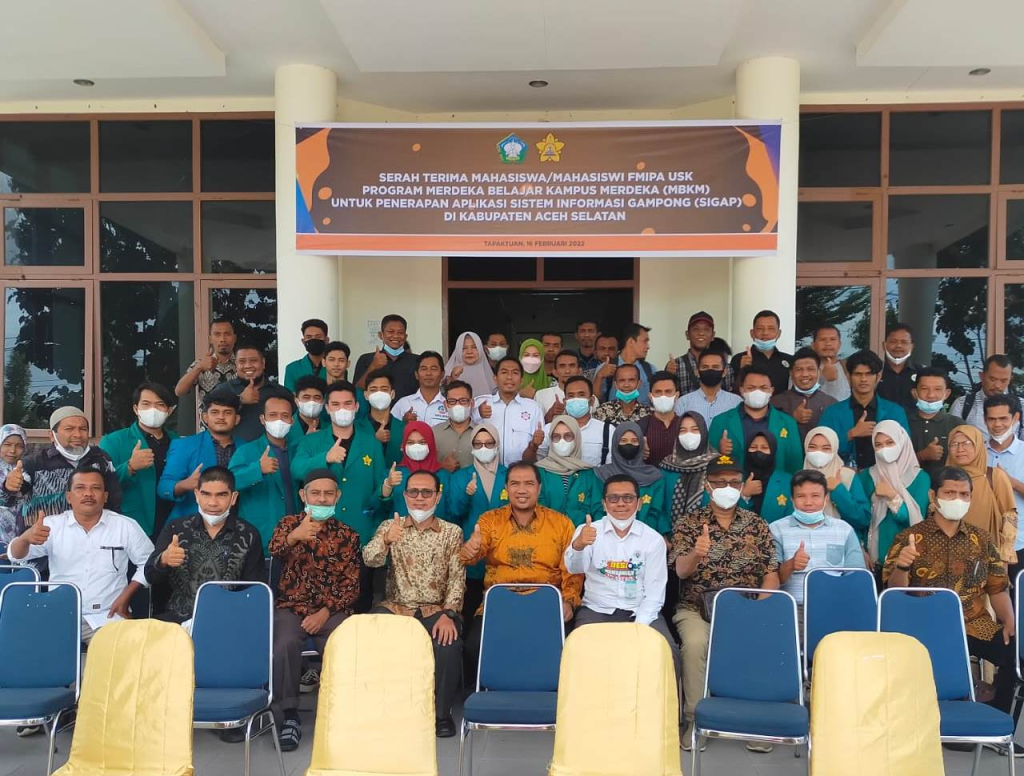
The MBKM program aims to develop students’ competencies through various experiential learning activities aligned with their skills and interests. By participating in the Building Villages project, FMIPA students exercised their right to learn beyond the classroom, gaining real-world experience in solving practical problems. This program lasted for one semester and was equivalent to 20 credit units (SKS) — 18 SKS for the Village Project and 2 SKS for Community Service (KKN).
In line with Aceh’s development vision, several initiatives have been established, one of which is the Village Information System (SIGAP).
SIGAP is an integrated information system developed by the Government of Aceh to support village administration and development. The goal of SIGAP is to create an integrated system that facilitates data management, public information access, and efficient local governance. Collaboration and support from related parties — particularly the Aceh Office of Communication, Informatics, and Encryption (DISKOMINSA) and KOMPAK (Kolaborasi Masyarakat dan Pelayanan untuk Kesejahteraan) — are essential to ensure that SIGAP continues to provide informative, accurate, and sustainable data to improve governance at the district, subdistrict, and village (gampong) levels.
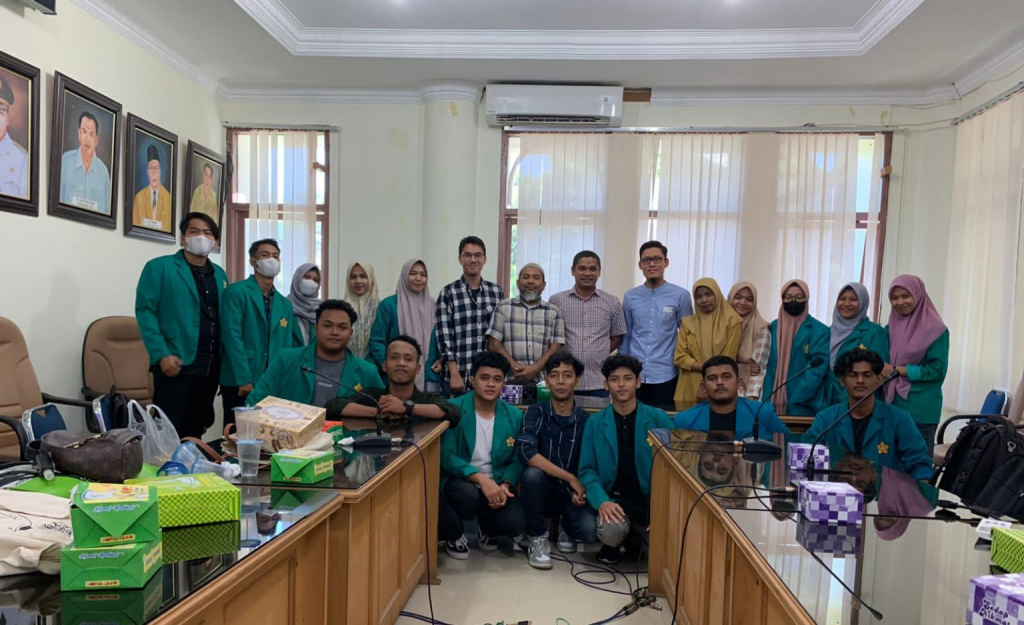
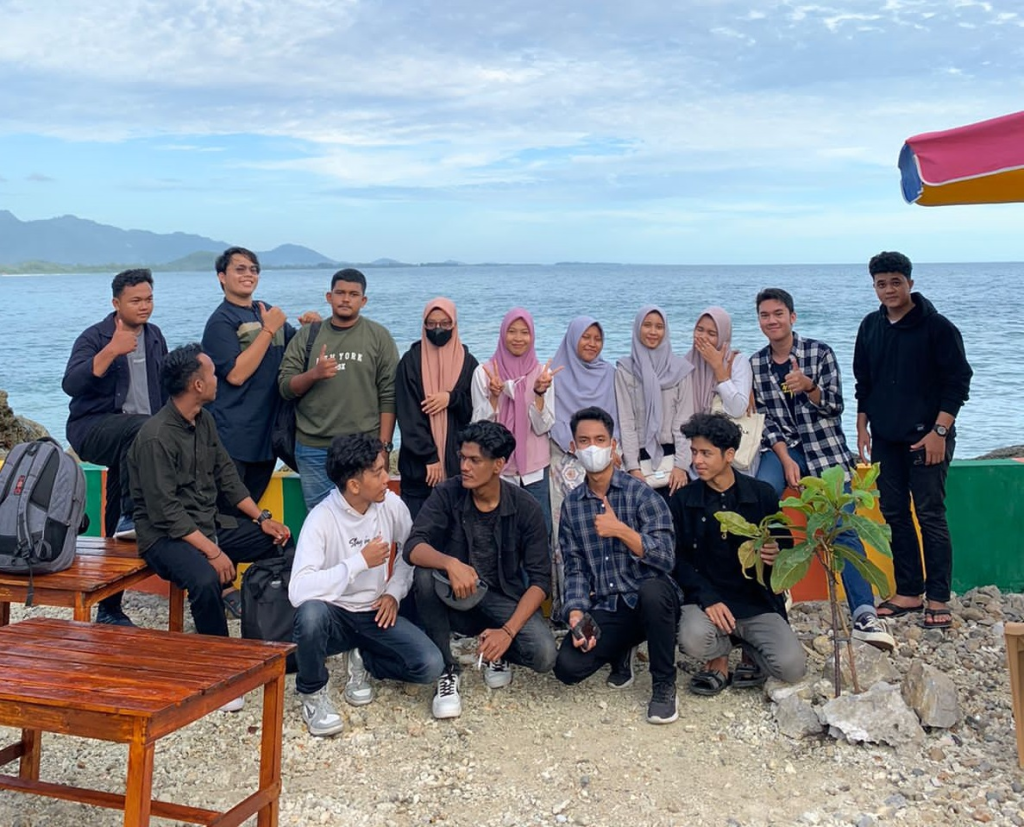
Thanks to the commitment and support from the South Aceh Regency Government, which welcomed the involvement of FMIPA students, the implementation of SIGAP became more feasible. The MBKM Village Project Program was a collaborative effort between the Aceh Office of Village Community Empowerment (DPMG) and FMIPA Universitas Syiah Kuala, coordinated through the Institute for Research and Community Service (LP2M). The program included the assignment of students to local government offices — the Regional Secretary, subdistrict heads (camat), and village heads (keuchik) — to assist in data management and digital integration. The initiative aimed to help transition villages from “underdeveloped” to “self-sufficient.” Students worked under the supervision of faculty advisors from preparation through implementation and evaluation.
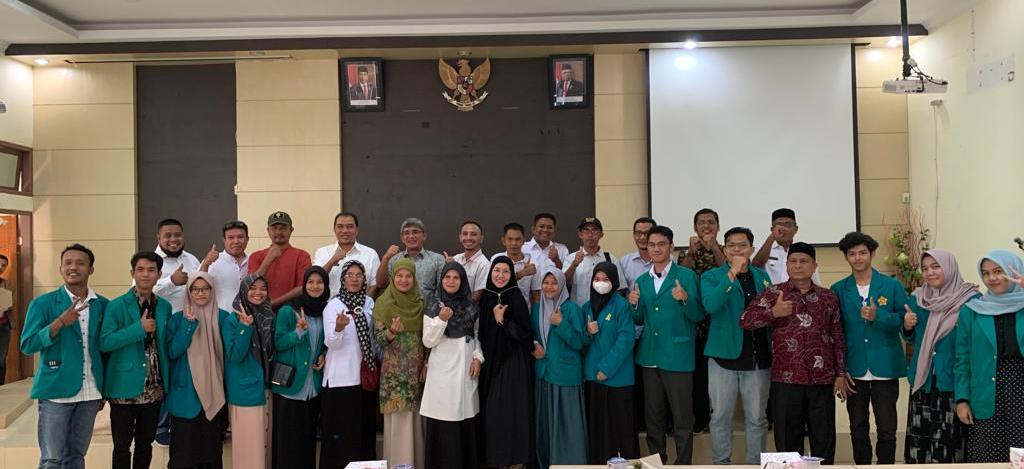
The main task of the students was to digitize population data and integrate it into the SIGAP web application, allowing village administrators to access and manage citizen information efficiently. SIGAP is part of Aceh’s flagship initiative, the Aceh Integrated Information System (SIAT), through which all population data is centralized on a web-based platform.
To ensure the program’s success, 18 students (13 from Mathematics and 5 from Statistics) were selected to serve as facilitators across 18 subdistricts in South Aceh. Before field deployment, they received intensive training sessions covering topics such as regional characteristics, the Village Law, technical operation of SIGAP, community development, and facilitation and communication skills. This training prepared them to guide local operators in correctly inputting village data into the system.
The Regent of South Aceh, along with officials from DPMG and other local agencies, provided official authorization and strong support for the students’ placement. This collaboration significantly eased the implementation of SIGAP, enabling students to help village operators manage information efficiently and contribute to the provincial government’s digital transformation goals.
Personally, I found this village service program to be both challenging and rewarding. Each subdistrict was assigned only one student, which meant handling diverse issues independently. This experience greatly enhanced our soft skills and problem-solving abilities, skills that are rarely taught in classrooms but are essential in real-world contexts.
Throughout the program (February 16 – June 20, 2022), students assisted in data collection, community engagement, and cultural exchange, while also enjoying the natural beauty and local hospitality of South Aceh. As one of my colleagues, Fani Oktaviana, said:
“Being a field facilitator is not as easy as it sounds. The challenges go far beyond what we learned during the preparatory sessions.”
Nevertheless, through perseverance and teamwork, all student facilitators successfully completed their assignments. On June 23, 2022, FMIPA USK conducted an official closing and retrieval ceremony at the South Aceh Bappeda Office, marking the formal completion of the project and acknowledging the students’ valuable contributions.
In conclusion, I wholeheartedly encourage fellow students to take part in the MBKM program. It offers invaluable learning experiences and practical insights that will serve you well in your future careers.
I would like to express my deepest gratitude to all parties that made this program possible — Kemendikbud, LP2M, DPMG Aceh, KOMPAK, the South Aceh Government, and FMIPA Universitas Syiah Kuala. May our collective efforts continue to foster independent and prosperous communities.
“One Movement, a Million Impacts!”