According to the spatial plan of Banda Aceh City (2009–2029), the Syiah Kuala District area is predominantly composed of medium-density residential zones, public service areas (mainly education), commercial and service zones, and riverbank buffer areas. Within the Universitas Syiah Kuala campus and its surrounding neighborhoods, several illegal waste disposal sites can still be found.
Non-organic (or inorganic) waste is one of the most common types of waste found around the Universitas Syiah Kuala campus. This type of waste cannot decompose naturally in the soil, and even when it does, the process takes an extremely long time. Non-organic waste contributes significantly to environmental problems, such as clogging drainage systems, polluting and degrading river water quality, and damaging the surrounding ecosystem.
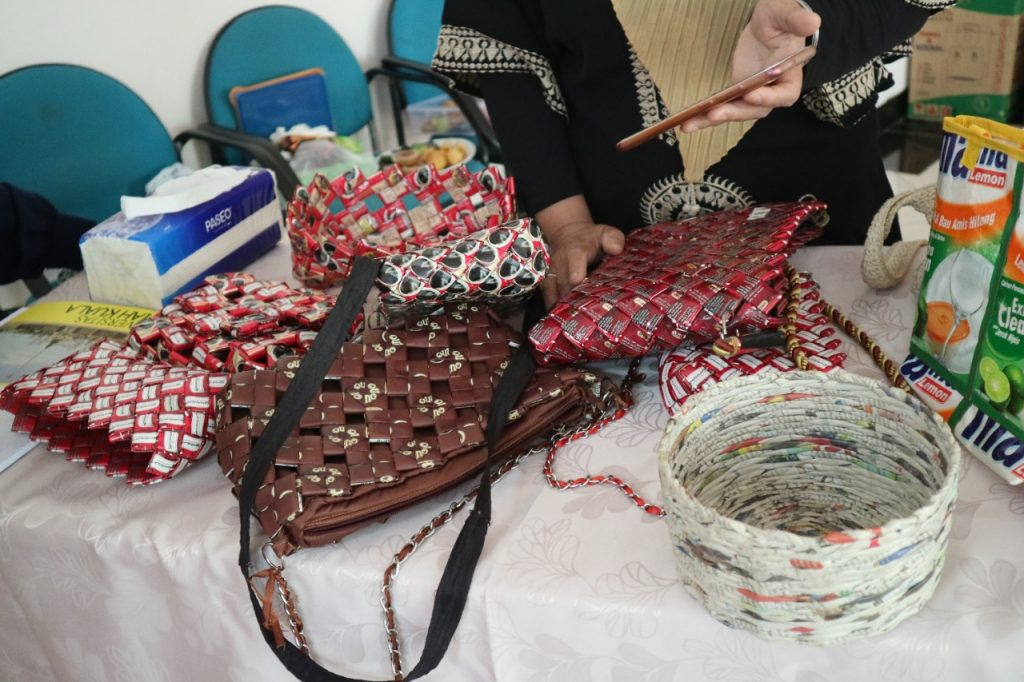
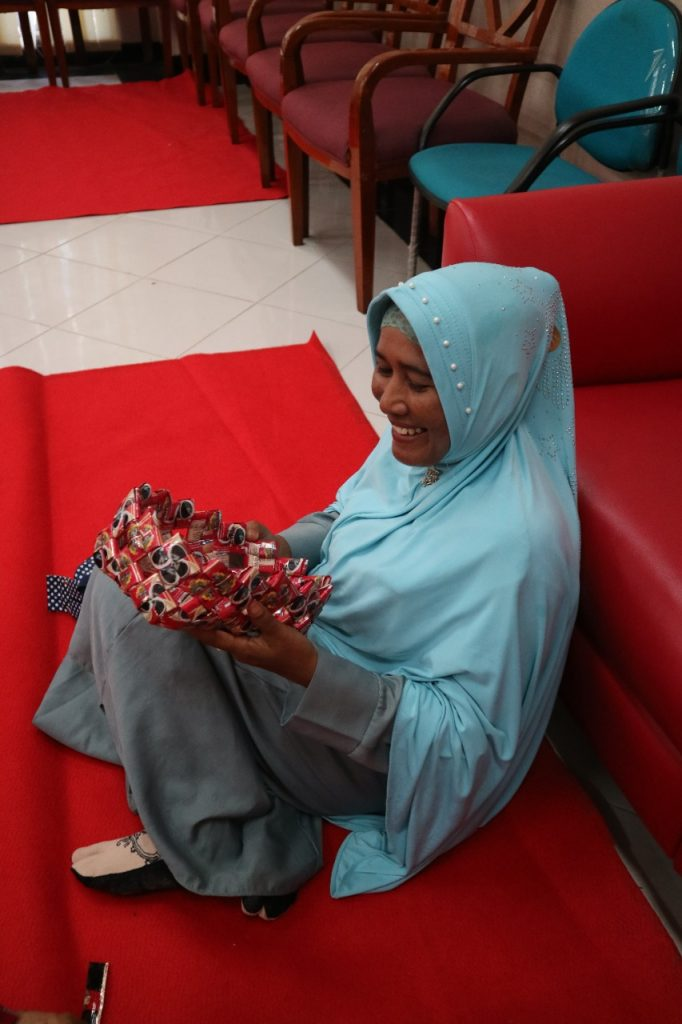
Although inorganic waste is one of the major causes of environmental degradation, it can actually be transformed into something useful. By processing non-organic waste into products with economic value, creativity can be channeled—especially among zero-waste communities and housewives.
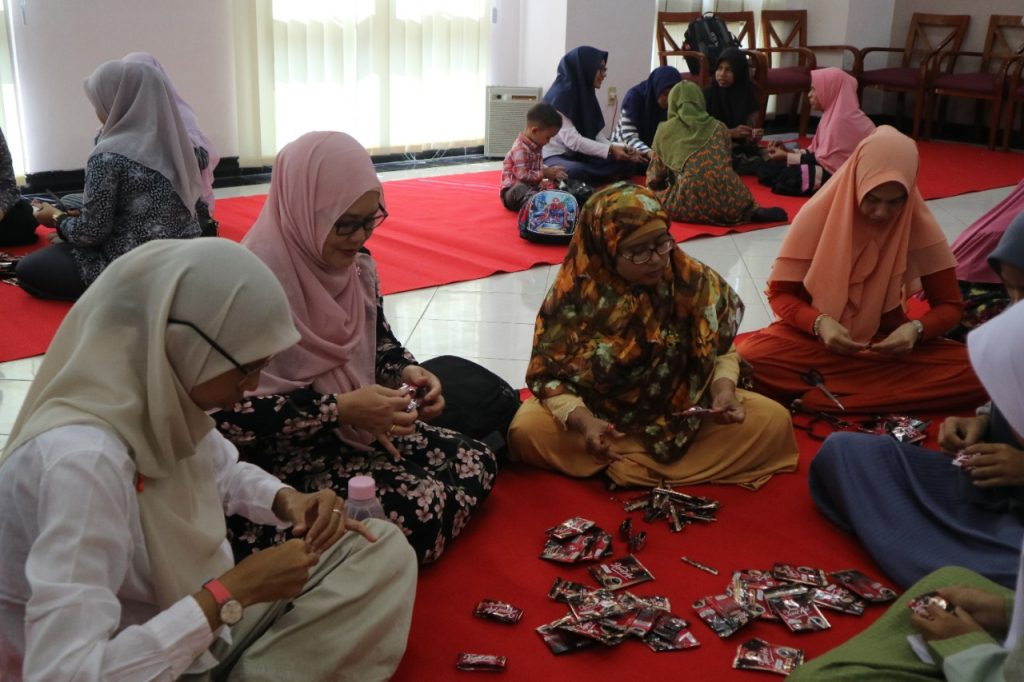
A community service team consisting of Dr. Rahma Zuhra, S.Si., M.Si. (Lecturer of the Mathematics Study Program, FMIPA Unsyiah), Dr. Irin Caisarina, and Faradilla Fadlia, S.Sos., M.Art., in collaboration with Bank Sampah Unsyiah (BSU), conducted a community service activity titled “Non-Organic Waste Management” on August 8, 2019, at Universitas Syiah Kuala. The event was attended by members of the zero-waste community, local housewives, and university staff.
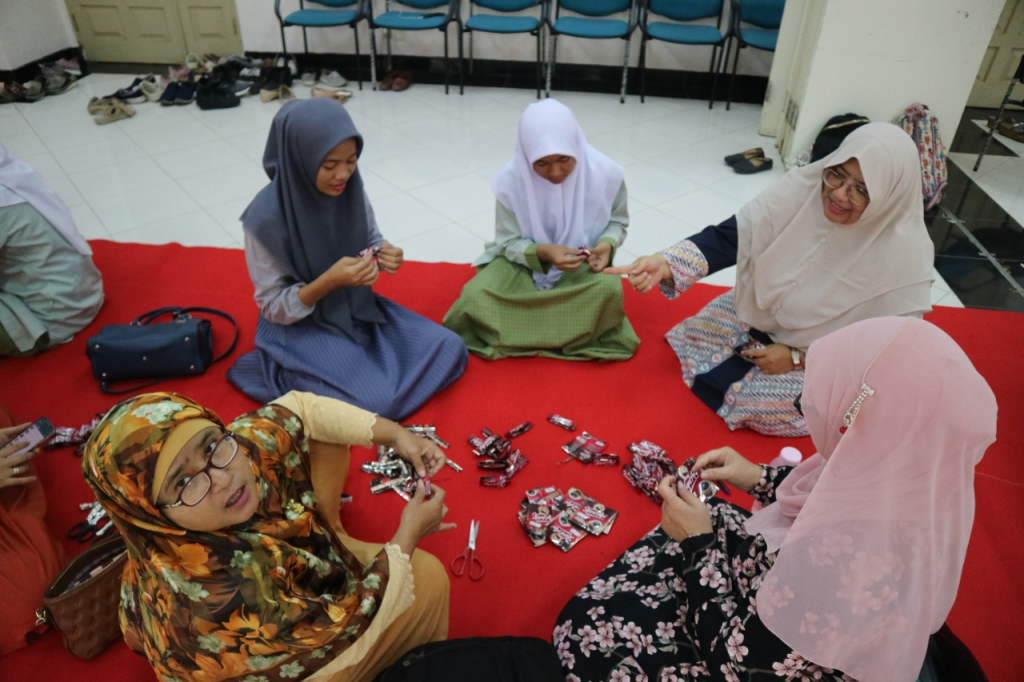
The goal of this community service activity was to address various issues related to non-organic waste in order to create a clean, healthy, and sustainable environment, while also promoting the utilization of waste as a form of productive and sustainable economic investment.