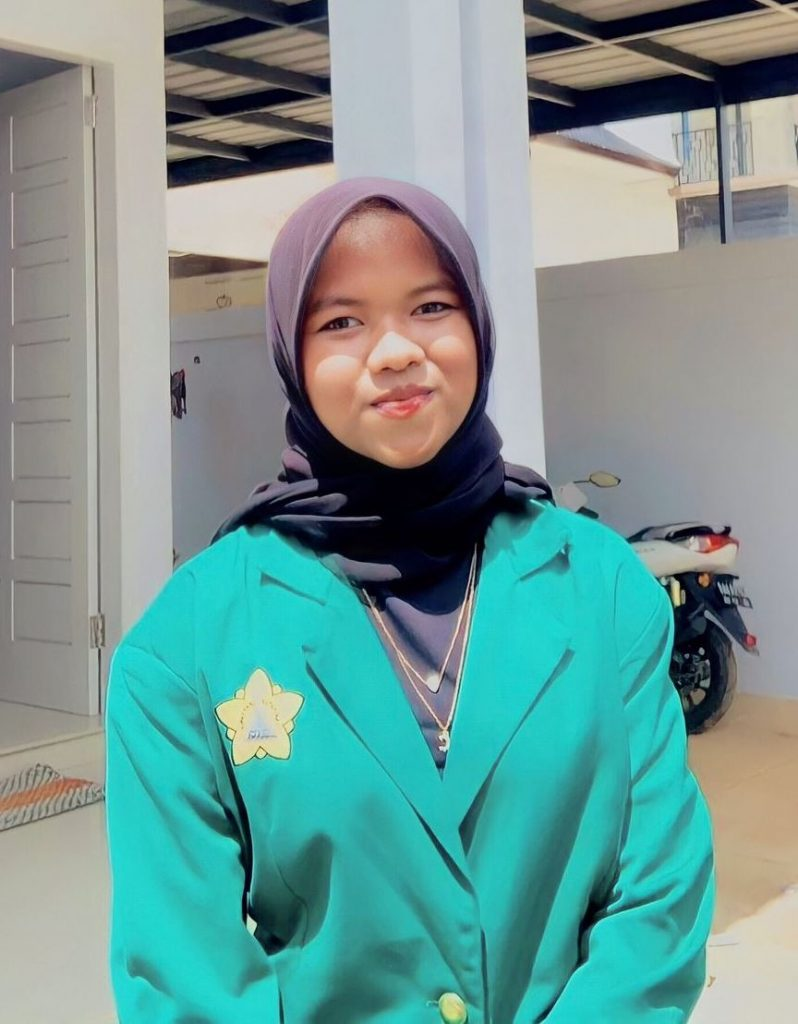
Hello everyone, my name is Yunalul Muna, a Mathematics student from FMIPA Universitas Syiah Kuala (USK), class of 2020. In this article, I would like to share my experience of participating in the Merdeka Student Exchange Program for one semester. For the 2020 cohort, a new curriculum—Merdeka Belajar Kampus Merdeka (MBKM)—was implemented for the first time, and I was part of that first generation.
Through this student exchange program, Halu Oleo University (UHO), located in Kendari City, Southeast Sulawesi, became my host university. Interestingly, UHO was not my initial choice, but rather the result of the selection process conducted by the program committee. Nevertheless, UHO is recognized as one of the leading universities in Southeast Sulawesi. In this program, I was also able to take courses from partner universities. The partner institutions I chose were Institut Teknologi Bandung (ITB), Universitas Gadjah Mada (UGM), and Universitas Jenderal Soedirman (Unsoed). At the beginning, all activities were conducted online due to the ongoing COVID-19 situation. Unexpectedly, in the middle of the semester, I was given the opportunity to travel directly to the host university.
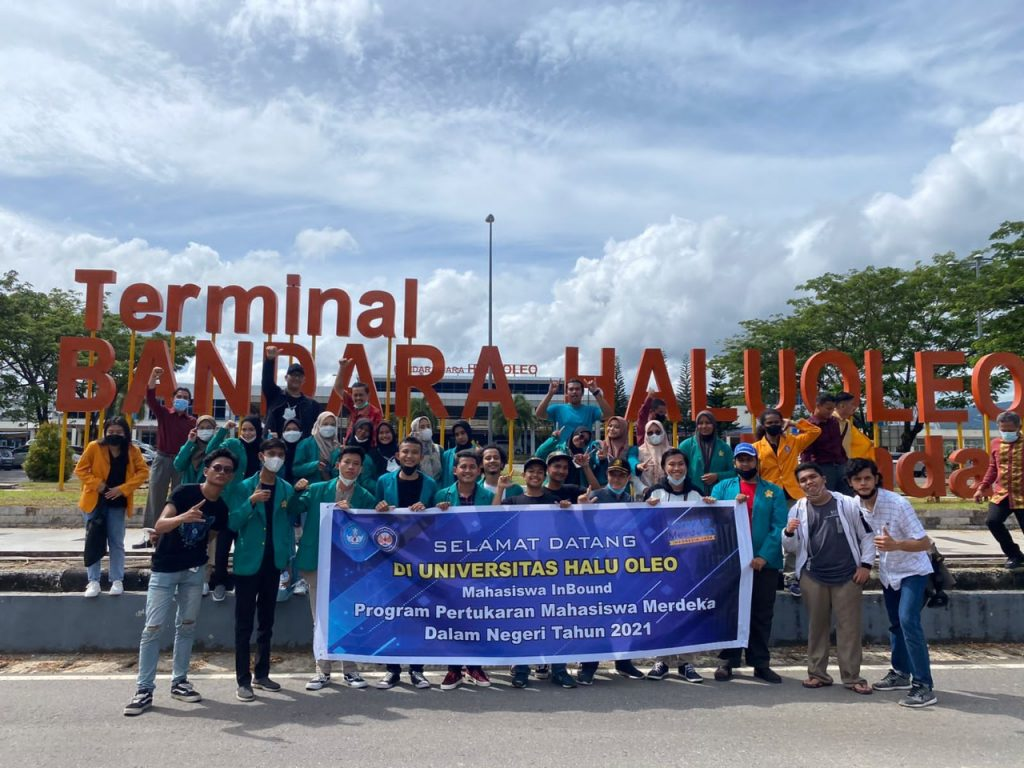
On 16 November 2021, I departed and arrived the next morning, 17 November 2021, at Halu Oleo Airport. I was warmly welcomed by the UHO PIC and several lecturers who escorted us to the campus. My first impression of Kendari was very positive. Although it is one of the major cities in Southeast Sulawesi, Kendari is still rich in greenery and trees, unlike many large cities dominated by high-rise buildings. UHO’s location is very strategic, situated in the heart of the city, making access to public facilities easy. Around the campus, there are many shops selling food at various price ranges, as well as stores providing daily necessities and clothing. The UHO campus itself is very large, supported by adequate transportation facilities such as pete-pete (public minivans) operating within the campus area, with very affordable fares suitable for students.
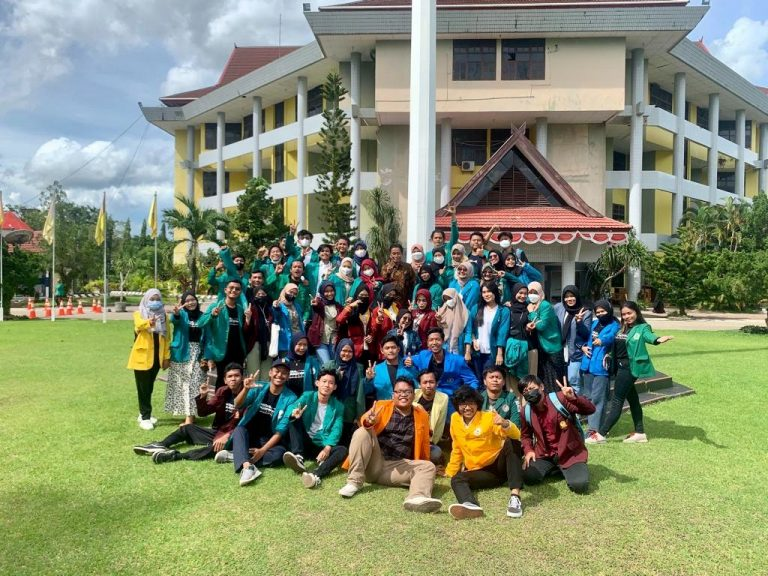
The arrival of inbound exchange students was warmly welcomed by UHO. We attended meetings with the Rector and lecturers and were given a campus tour to visit various faculties. Accommodation arrangements were also well managed by the university. Not all inbound students lived in the same place; instead, we were accommodated in several locations within the lecturers’ residential areas, all of which were still close to campus.
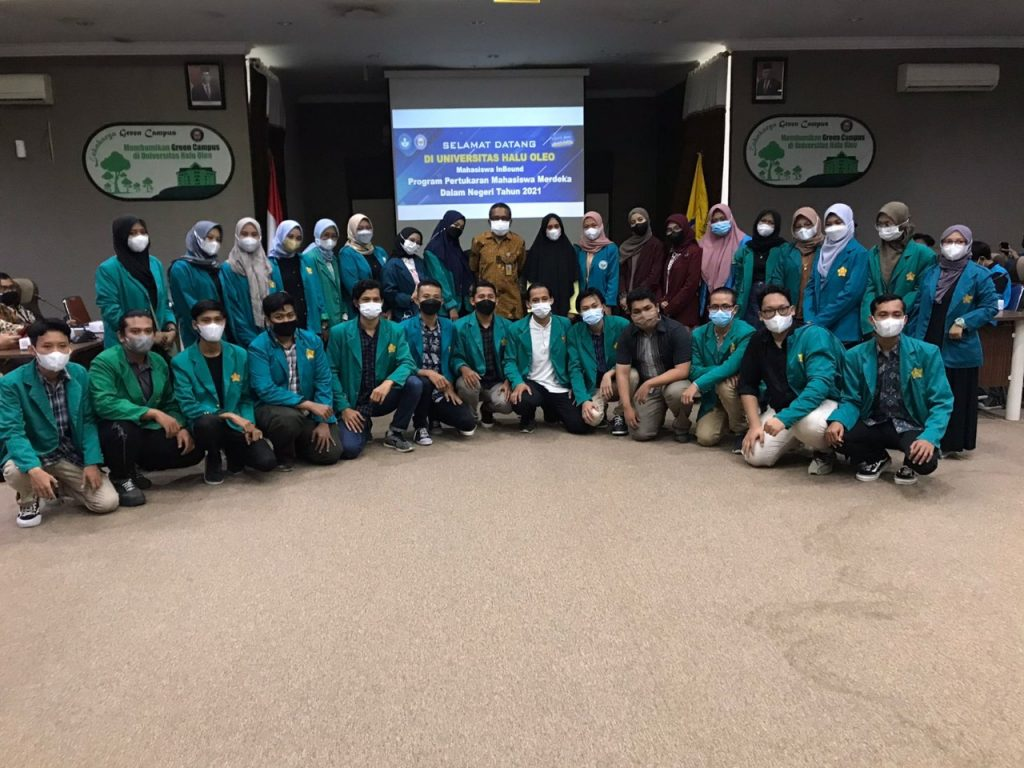
Regarding academic activities, from Monday to Friday, students attended lectures based on the courses they had chosen. On Saturdays and Sundays, we participated in cultural introduction activities related to Southeast Sulawesi and attended events aimed at introducing local culture.
For my academic courses, I took Mathematics and Mathematics Education subjects at UHO. I enrolled in four courses: Elementary Linear Algebra, Numerical Methods, Analytical Geometry of Space, and Nusantara Module, totaling 11 credits. At each partner university, I took 3 credits, while at my home university I took 10 credits, resulting in a total of 30 credits for the semester. Each university I attended applied high academic standards, so I found that taking 24–30 credits was already quite demanding. However, this depends on individual capacity and time commitment. The lecture system at UHO and the partner universities was similar to that of most public universities. However, the course I took at ITB consisted of two types of classes: a Lecturing Class and a Tutorial Class. I also had to adjust my schedule due to the time difference, as Southeast Sulawesi follows Central Indonesia Time (WITA), which is one hour ahead.
During this program, I had approximately two months to experience face-to-face learning, immerse myself in local culture, and explore both on and off campus without restrictions. Fortunately, within that time, I managed to visit several places in Kendari and another city in Southeast Sulawesi, Muna, and felt very satisfied with the experience. There were also unexpected situations, such as a riot that occurred in Kendari around mid-December, including areas near the campus. For safety reasons, lectures were temporarily shifted back to online mode, and students were advised to stay indoors until conditions stabilized. During online learning, occasional challenges arose, particularly related to internet connectivity.
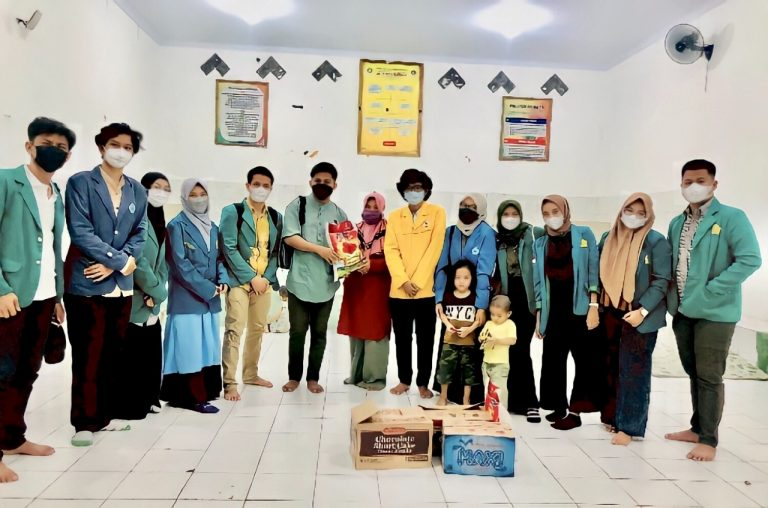
Through this program, I gained extensive exposure to the culture of Southeast Sulawesi and interacted with students from various universities, which helped me adapt well and develop a high level of tolerance and a strong sense of togetherness. From initially being strangers, we eventually felt like a family. I also built close relationships with UHO students, including participating in student bazaars organized on campus. In addition, I became more familiar with local tourism, cuisine, language, ethnic diversity, and cultural richness in Kendari. Many destinations I had long wished to visit were finally realized, such as the Southeast Sulawesi Provincial Museum, Lake Moko (home to a giant turtle), the Liangkobhori Prehistoric Cave, Bokori Island, Senja Island, and many others. As part of the program, we inbound students also carried out community service activities, including social contributions to an orphanage. This activity also became a meaningful space for cultural exchange among participants.
I am truly grateful and happy to have completed this program until the end. One of the main benefits of the student exchange program is fostering students’ love for Indonesia’s diversity while strengthening competencies that will be valuable for future careers. Moreover, this experience prepares students to become future leaders who are ready to serve the nation and the country.
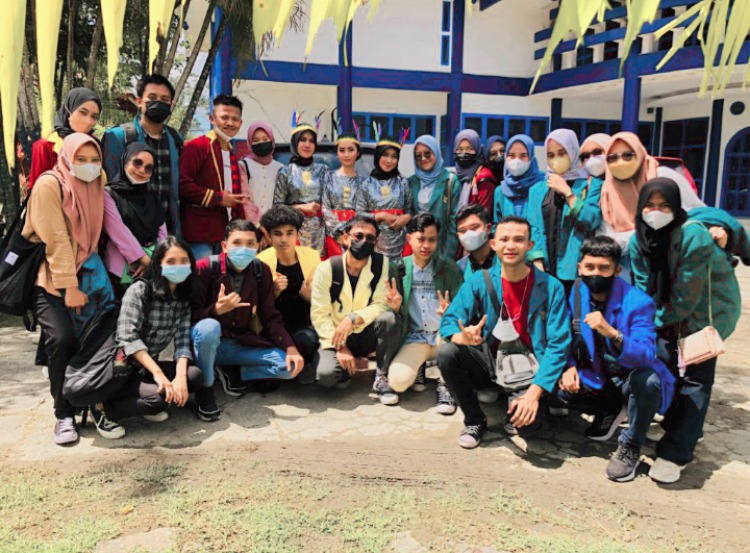
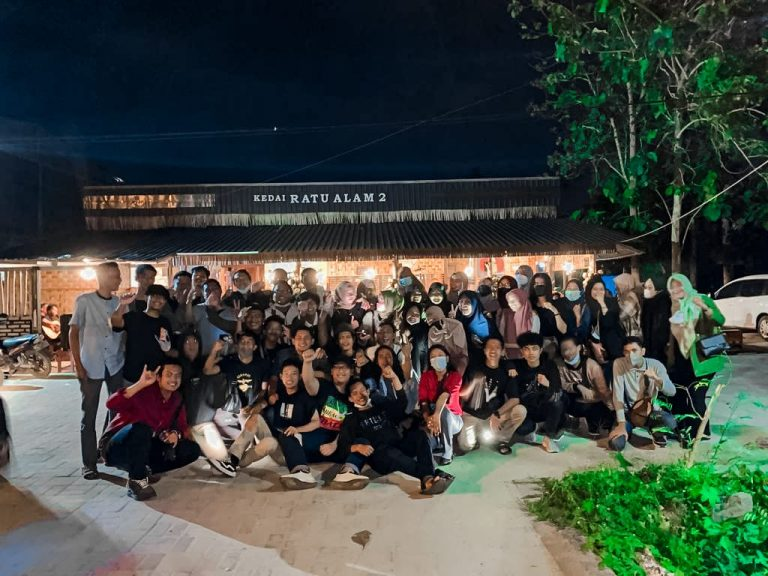
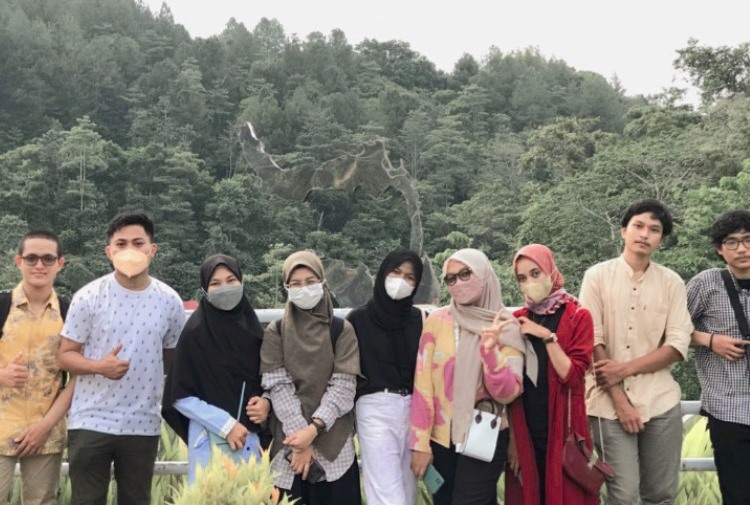
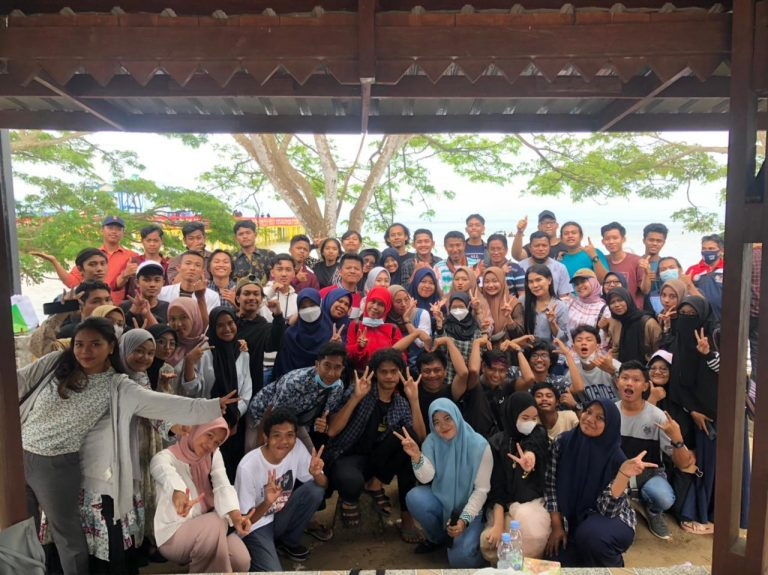
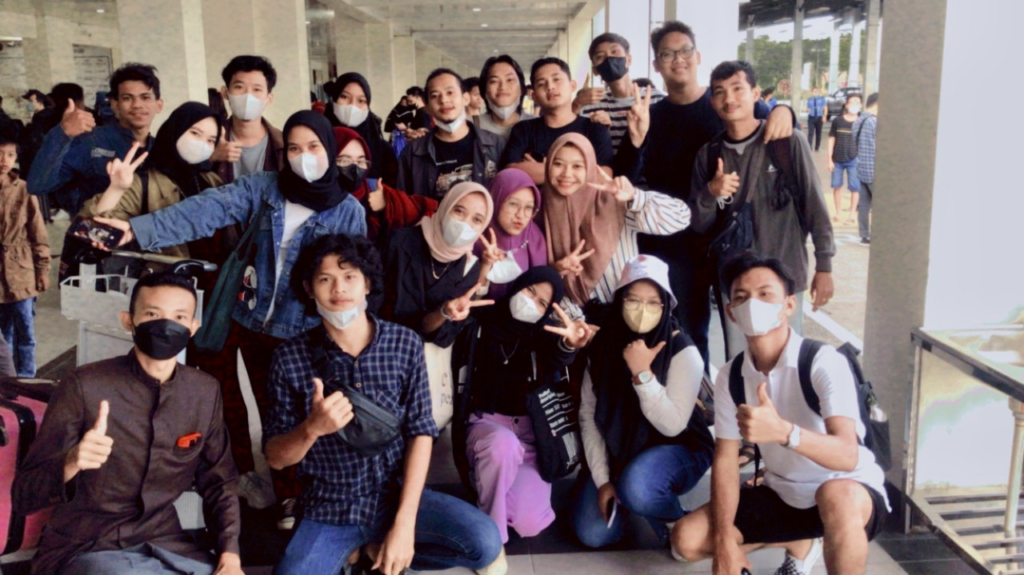
At the end of the program, UHO organized both informal and formal farewell events for inbound students. The informal farewell took place at a beach in Kendari, where we gathered, shared stories, and enjoyed time together. The formal farewell was held at the UHO campus. Finally, we prepared for our return to our respective regions, with the final farewell taking place at Halu Oleo Airport.
Thank you to the Ministry of Education, Culture, Research, and Technology, my academic supervisors, and Halu Oleo University. Hopefully, there will be another opportunity in the future at the right time. Once again, thank you for the invaluable experience.
“Exchange for a While, Meaningful Forever.”