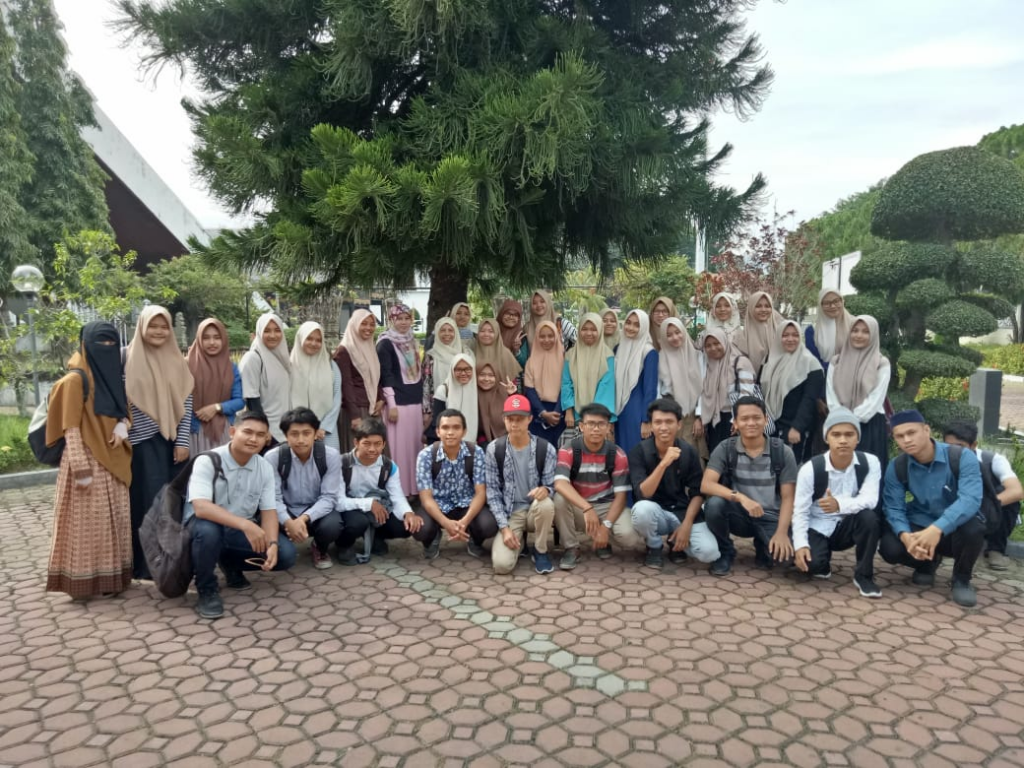
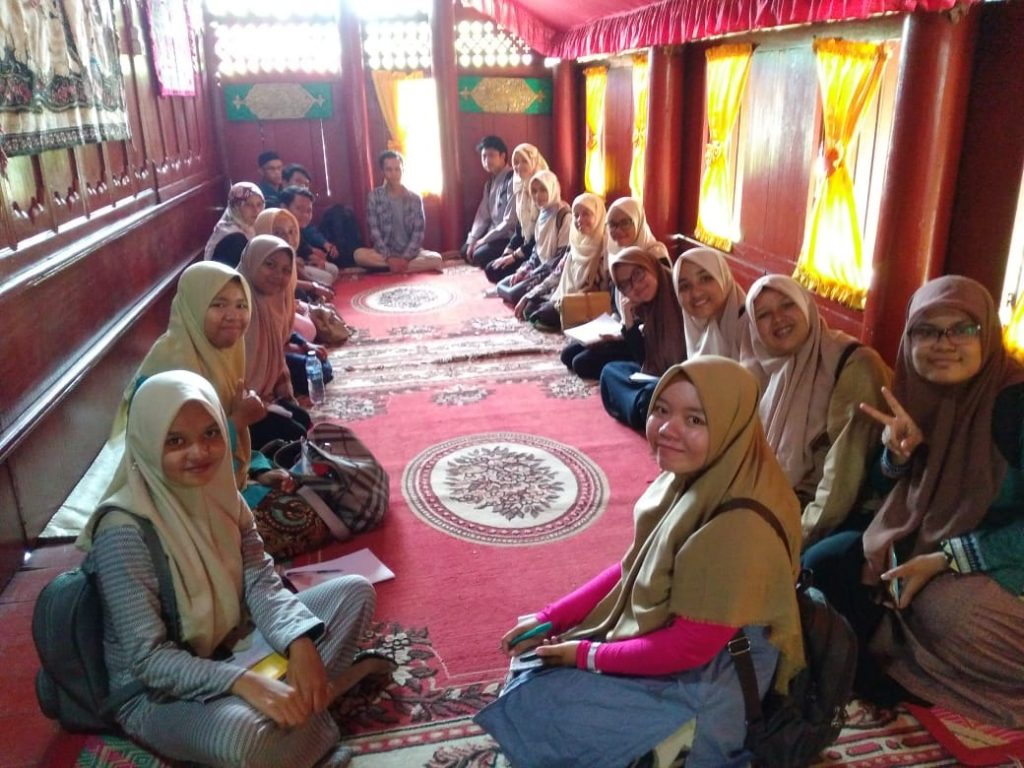
Since 2016, the Mathematics Study Program has conducted field lectures through the Ethnomathematics course to explore and study the history and culture of Aceh. This field lecture activity is held once every two years and, in 2018, was conducted on October 24, 2018. Accompanied by Dr. Salmawaty and Syarifah Meurah Yuni, M.Si., students were divided into five groups. Each group was assigned to observe elements of Acehnese history and culture, particularly in Aceh museums, that are related to ethnomathematics.
Several locations were visited during this field lecture, including the Aceh Museum, Pedir Museum, Pantai Cermin, and the Tomb of Syiah Kuala. From these visits, students gained various insights, including the following:
The Aceh Museum houses numerous cultural artifacts closely related to mathematical concepts. These include the architectural patterns of the traditional Rumoh Aceh, such as tulak angen which has a triangular shape, the cylindrical form and number of the main pillars (tameh), and the circular shape of the geurubak wheel.
The Pedir Museum is a private museum established in 2014 by Masykur together with MAPESA (Masyarakat Peduli Sejarah Aceh), an organization founded in 2012 that focuses on the study and research of Acehnese archaeology. Pedir Museum specializes in the collection of ancient Acehnese manuscripts. Its main center is located in Pidie, with one of its branches situated in Punge, Banda Aceh. The museum holds approximately 2,700 historical collections, gathered over a period of four years through direct engagement with local communities. These collections include ancient coins, inscriptions from the Aceh Sultanate era, traditional weapons, and various other artifacts originating from different countries.
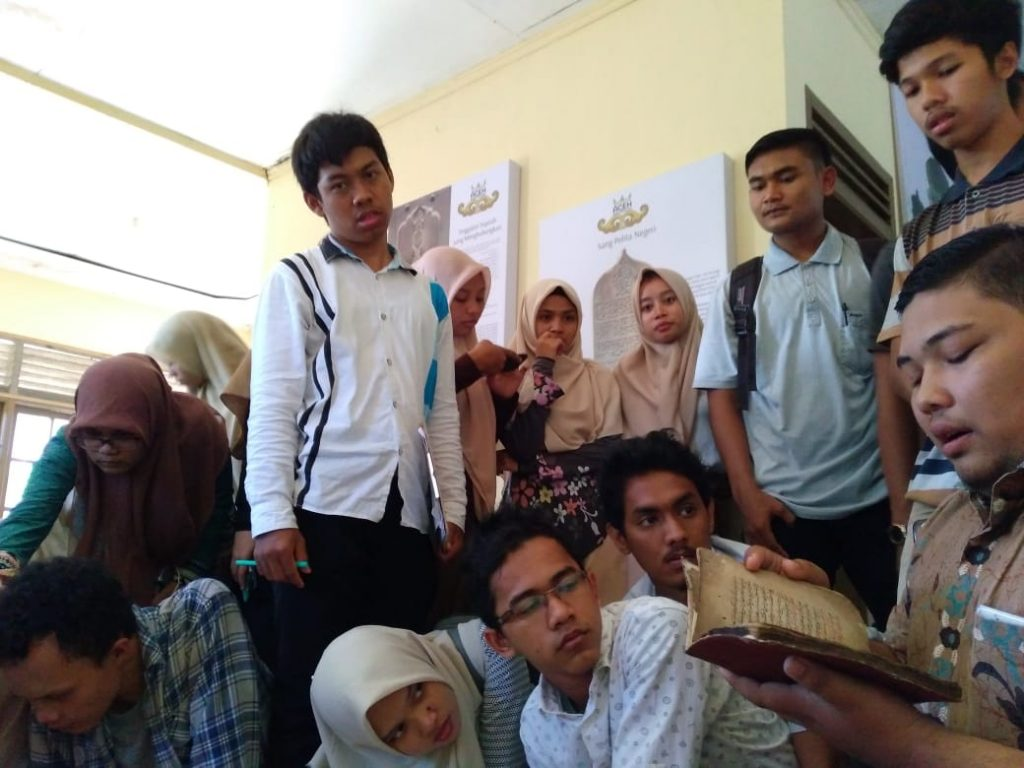
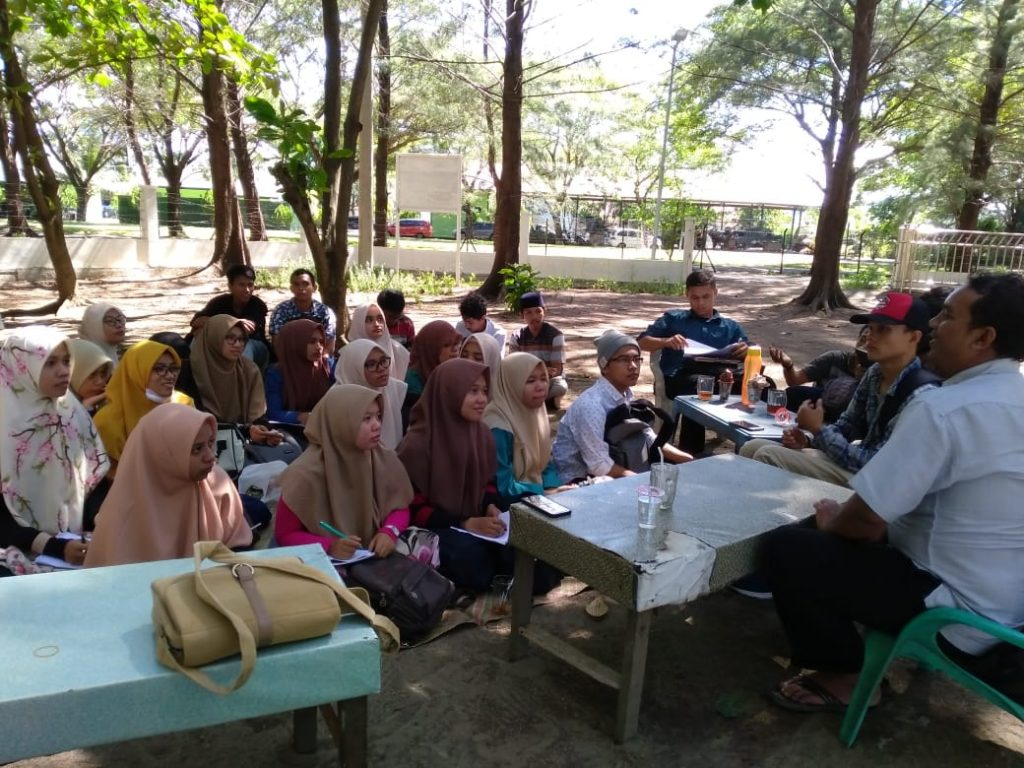
Students also listened to historical accounts delivered directly by an Aceh history expert, Muammar, M.Pd., who explained the Dutch military aggression against the Aceh Sultanate, particularly through the area around Pantai Cermin. For this reason, Pantai Cermin was selected as one of the field lecture locations. The visit was followed by a communal lunch.
The field lecture concluded with a pilgrimage to the tomb of Shaykh Abdurrauf as-Singkili, better known as Teungku Syiah Kuala, whose name is immortalized as the namesake of Universitas Syiah Kuala (Unsyiah), the institution under which the Mathematics Study Program operates.